


Free, Confidential Initial Consultation
Professional, confidential advice for directors of companies facing debt, HMRC arrears or creditor pressure.
Call 01282 222420
 Natalie Hughes MIPA, MABRP and Lisa Ion are licensed to act as insolvency practitioners in the UK by the Insolvency Practitioners Association.
When Should A Director Speak To An Insolvency Practitioner?
If your company is facing financial difficulties, speaking to an experienced insolvency practitioner can help you understand your options. Whether you’re dealing with mounting debts, HMRC pressure, creditor action or concerns about the future of your business, Simply Corporate provides clear, confidential advice to help you make informed decisions.
The earlier you take advice, the more options are usually available.
It is worth speaking to an insolvency practitioner if your company is:
- Struggling to pay suppliers, staff or HMRC on time
- Falling behind on VAT, PAYE or Corporation Tax, or unable to keep up with an HMRC payment plan
- Receiving final demands, county court claims or a statutory demand
- Facing a threatened or issued winding-up petition
- Relying on new borrowing or personal funds to cover existing debts
- Unable to pay its debts as they fall due, or owing more than its assets are worth
- Unsure whether it is safe to keep trading
You do not need to have decided what you want to do. Many directors contact us simply to understand where they stand.
How An Insolvency Practitioner Can Help
An insolvency practitioner is a licensed professional who advises on, and can formally act in, company insolvency procedures. Only a licensed insolvency practitioner can be appointed as an administrator, a liquidator or the supervisor of a Company Voluntary Arrangement.
Assess Your Company’s Position
We look at what the company owes, what it owns, its cash flow and any creditor action, so you have a clear picture of where the business stands and what is realistically possible.
Explain Your Responsibilities As A Director
When a company is insolvent, or likely to become insolvent, directors must give proper weight to the interests of its creditors. We explain what that means in practice and the steps that help you act responsibly.
Set Out Your Options
We explain the formal and informal routes open to the company, including rescue options where the business has a viable future, and what each would mean for you, your staff and your creditors. We also advise on HMRC arrears and on your personal position as a director.
Act On The Route You Choose
If a formal procedure is right for the company, a licensed insolvency practitioner can be appointed to carry it out, and we will explain each step before it happens.
Your Options
Every situation is different. These are the main routes we discuss with directors. Where the business has a viable future, rescue is always considered first.

Company Voluntary Arrangement (CVA)
A formal agreement with creditors to repay part of the company’s debts over an agreed period while the business keeps trading.
More about CVAs
Administration
Legal protection from creditor action while an administrator works to rescue the business or achieve a better result for creditors.
More about administration
Restructuring And Business Rescue
Practical changes to the company’s finances and operations, from creditor negotiations to formal restructuring, where the business can recover.
More about restructuring
Creditors’ Voluntary Liquidation (CVL)
Where a company cannot continue, a CVL lets directors close it in an orderly way, with a licensed insolvency practitioner appointed as liquidator.
More about liquidationInsolvency Practitioner FAQs
An insolvency practitioner advises companies and directors facing financial difficulty and is licensed to act in formal procedures such as administration, liquidation and Company Voluntary Arrangements. Before any formal appointment, the first step is usually to assess the company’s position and explain the options.
As soon as you have concerns about the company’s ability to pay its debts. Early advice usually means more options are available. Common warning signs include HMRC arrears, pressure from creditors, a statutory demand or a threatened winding-up petition.
Sometimes, but it depends on the circumstances. Directors of an insolvent company need to take care not to make creditors’ position worse, and in some situations continuing to trade can lead to personal liability. An insolvency practitioner can help you decide whether, and how, it is safe to continue.
No. Many businesses that take advice continue to trade, sometimes after informal changes and sometimes through a formal rescue procedure such as a CVA or administration. Closure is only recommended where it is the most suitable route for the company and its creditors.
We ask about your company, its debts, any action creditors are taking and what you would like to achieve. We then explain the options that may be available and the likely next steps. There is no obligation to proceed.
The initial consultation is free. If a formal procedure is needed, the fees depend on the work involved. We will explain the likely costs, and how they would normally be met, before you commit to anything.
Why Directors Speak To Simply Corporate
We know that asking for help with company debt is a difficult step. Our role is to give you an honest assessment of your position and explain your options clearly, so you can decide what to do next.

Licensed Insolvency Practitioners
Natalie Hughes MIPA, MABRP and Lisa Ion are licensed to act as insolvency practitioners in the UK by the Insolvency Practitioners Association.
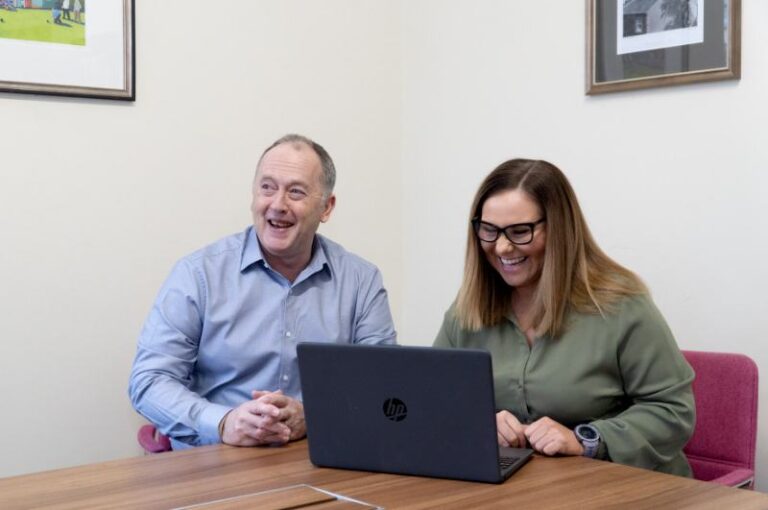
Rescue Considered First
Closure is not our starting point. Where a business has a viable future, we look at the options for rescuing it before anything else.

Clear, Confidential Advice
We explain your options in plain English, without jargon or pressure, and every conversation is treated in confidence.
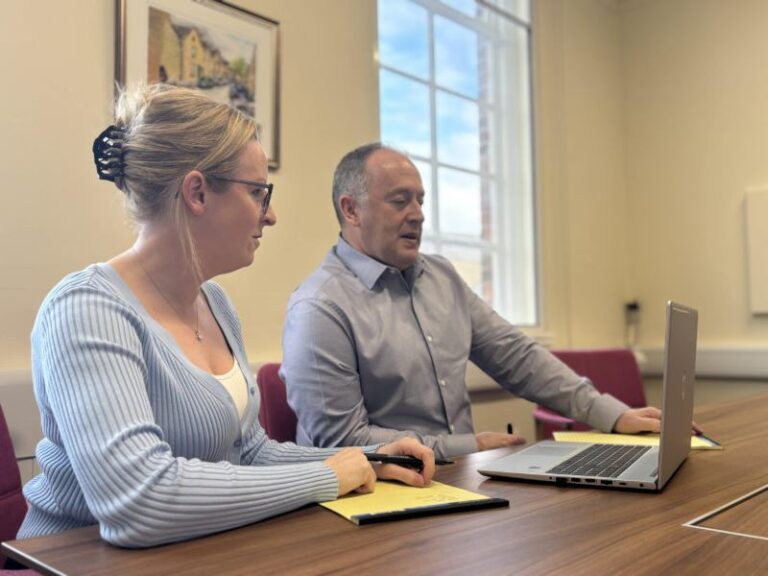
Based In Lancashire, Working Across The UK
Our team works from The Town Hall in Padiham and advises company directors throughout the UK.
Speak To Us In Confidence
The sooner you take advice, the more options may be available. Call our team for a free, confidential initial consultation, or send us a short enquiry and we will be in touch.
Speak To An Insolvency Specialist
Tell us a little about your situation and a member of our team will contact you to arrange a confidential conversation. There is no obligation and the initial consultation is free.
You do not need to include financial details at this stage. We only use your details to respond to your enquiry. See our privacy policy.
The Town Hall
Burnley Road
Padiham
BB12 8BS